Meanderings (a Blog)
September 19th, 2026
Modern Fantasy – It’s All J.K. Rowling’s Fault!
I’ve been on a losing streak in regards to the fantasy novels I’ve picked up lately. I think I’ve DNFed about half of those I’ve checked out over the last couple months. It’s not that there was anything wrong with those books – they’ve sold millions (or at least hundreds of thousands), and people love them.
So, obviously, the problem is me, not them, right? Or maybe I’ve outgrown fantasy?
But then, while querying for Farthane, I came across an agent that expressly said “please no schools of magic/ war/ dragon flying/ etc.,” a trope I grew tired of a looooooong time ago, and the main reason I stopped reading so many recent books. So, it’s not just me that’s weary with that omnipresent aspect of modern fantasy. Which got me thinking: It’s all J.K. Rowling’s fault!
Hear me out.
Prior to the Harry Potter series, fantasy was fairly niche. It had its following, to be sure, but it wasn’t nearly as popular as horror or thrillers. There was some great stuff out there – writers like Tad Williams, Jacqueline Carey, Mercedes Lackey, and a handful of others wrote some truly great stories (never mind Tolkien, the Prime Deity of Fantasy). And, of course, George R.R. Martin, but I’ll get to that.
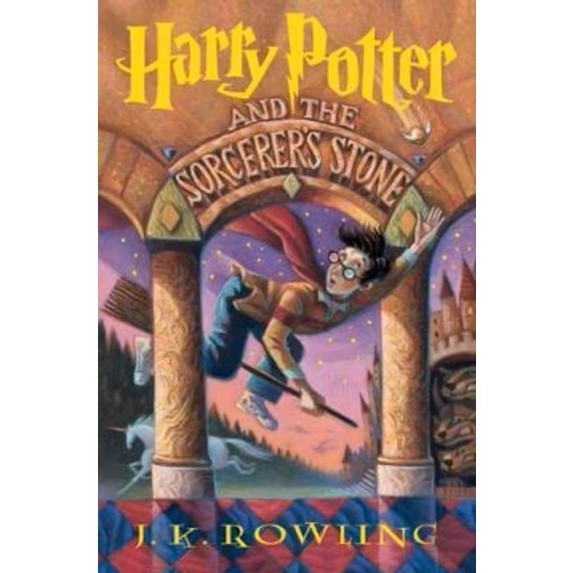
Then came Harry Potter. It took a few years to find its footing, but when it did it took over the world. Everybody, not just its YA target audience, was reading the series. It is still, about 20 years later, the best-selling series of all time. Not just in fantasy, but in any genre. Over 600 million copies of the Harry Potter books sold worldwide.
Fantasy was in. It was becoming mainstream.
The kids who grew up with Harry Potter (the books and the films) were fantasy fans from the get-go. By their teens, or early adulthood, they found Martin’s A Song of Ice and Fire, the polar opposite of Rowling’s fantasy. Potter was for kids, dark as it was at times. Game of Thrones, not so much. It was violent, gritty, grim. Grimdark, in fact, as the sub-genre became known. Then it hit HBO.
Fantasy was now wholly mainstream. It was now Big Business.
That’s when things fell apart, IMHO.
Publishers wanted the next Harry Potter, the next Game of Thrones. Those properties made billions. Patrick Rothfuss released The Name of the Wind, a sort of Harry Potter-for-adults (beautifully written, though – his prose may be among the best out there, even if the story isn’t my cup of tea). Joe Abercrombie put out The Blade Itself, a grimdark novel with a bit of snark. Both hit big. Publishers wanted more.
So here we are. Every fantasy novel released seems to take place at some sort of school. Fourth Wing – Dragonrider school. Empire of the Vampire – Vampire hunter school. The Poppy War – martial arts war academy. Etc., etc., etc. They were dark and gritty, too, a la Martin, but with snarky angsty protagonists, a la Abercrombie. Emo university had become the standard. Yawn.
However, Eternal Optimist that I am, I see a glimmer of sunshine through the gloom (and academies). The fact that fantasy has become mainstream has opened up the genre. In the past, pretty much every fantasy novel (Ursula K. Le Guin’s Earthsea series being a notable exception) was in a medieval European-esque setting. Now we have novels set in pseudo-Asian and -African settings, which is terrific. Fantasy is also blending with other genres – romantasy is the big buzzword now, and something called “cozy fantasy” is picking up steam. Fantasy has always had some horror elements, and my own Farthane is more in the horror genre than fantasy. This is all very promising…
I really think the fantasy genre is about to go through a major evolution. Academy fantasy is boring more than just me. The Harry Potter Kids are growing up, getting past the age where dropping lots of f-bombs means you’re tough or cool. They’re past their teenage angst (mostly), and their protagonists will follow suit (hopefully). After all, they’re in their 30s now, or close to it. And they’re rediscovering the works of Williams, Tolkien, Lackey, and the other big fantasy writers of yesteryear, whose stories had so much depth and character.
As the young fantasy authors mature, so, too, will their stories, I’m certain of it. I can’t wait.
And I hope to be part of it (not-young author that I am)…

September 12th, 2026
Doubt, or The Comfort of Failure
It’s a funny thing. Since I received the email from an interested agent, asking for the full manuscript of Farthane, an evil little voice has been nibbling at my guts. The Voice, mayhaps? (Sorry, that reference won’t make sense to anyone that hasn’t read the book…)
Before I heard from her, when all the responses were “sorry, not interested at this time,” I was certain the rejections were because the story was too long. 127,000 words, about 30,000 words more than most publishers are comfortable betting on, for a debut author. So I rewrote the story, giving up a POV (Point Of View), which enabled me to bring it down to about 98,000 words. I was planning on sending a new round of queries, confident that the new text would garner some interest. After all, I thought, the story itself is good, the writing is good.
This prospective agent responded before I sent the queries for the re-write, though. I was stunned, then I was thrilled, and I sent the full 127,000 word original text. Then my heart began to sink and the Voice arrived. The new version is better, I thought, so I sent the revised text, with a brief explanation of why I sent it. Okay, great, that should do it, I’m in!
But the Voice was still there, whispering, tugging at my intestines. The agent will wonder why I didn’t send the revised text in the first place, wasting her time, so she’ll dump the file in the trash. The ending is too abrupt, or dark, or boring, so she’ll dump the file in the trash. The writing isn’t as strong as she first thought. The characters aren’t alive. Her request for the manuscript was a mistake in the first place, a push of the wrong button.
I likely won’t know for another 4-8 weeks, the average time it takes for an agent to make a decision at this stage in the process. A month or two. Thirty to sixty days. Aaauuuuugh!
Normally, I’m not one for doubt, at least not once the die is cast. I’m an optimist, through and through. When I make a decision, it’s usually fire and forget. Done is done. If it works out, great. If not, learn from it, move on, do better next time. All good.
So this is kind of a new thing for me. I suppose it’s because it’s something I want so badly. Maybe it’s because I literally put hundreds of hours into Farthane. Whatever the reason, it’s very uncomfortable; can’t say I’m a big fan of this sort of low-level constant anxiety.
Ultimately, I know it’s just the waiting, the anticipation. It’s a similar feeling I feel before I have to speak in public, or how it felt working up the courage to ask a girl out, or how it felt in the Navy when you knew something big was about to happen, but you didn’t know what or when. But once you’re in it, you’re in it, and there’s no time to think, to doubt. When I hear back from the agent, whatever the outcome, I’ll be fine again. It’ll be time to react, to deal with it, to go forward. I’ll be at peace with it, whether it’s success or failure.
Of course, if she accepts me as a client, there will be more waiting, more anxiety. Will she find a publisher? How long will that take? Weeks? Months? Years? Will that publisher like the story enough to provide a good advance, so I can focus on writing, or will I have to keep plugging away between work hours, trying to balance family time with writing time? Will I get a fair contract? What will be expected of me in promoting the novel? Book tours? Public speaking?
This, I suppose, is the price of success. I’m feeling it even before I’m there. There was comfort in failure, because that meant I had to actively look for a solution, to fix the problem, to move forward. If the agent represents me, that will open a whole new can of worms, something entirely new. What if the book is picked up by a major publisher? What if it does well? Will the next book be as good? Or will I be a “one-hit wonder?” Will it be adapted into a TV series, or a movie, or a video game? Will I be blamed if the adaptation is crap? Will people hate me if I take too long on the next book, a la Martin or Rothfuss?
Can I handle the pressures of success?
Can I?
Abso-freaking-lutely.
Because I know that fear and doubt and failure are just part of the life experience.
Because I’m an optimist.
Because I’m a writer.
Because I’m ready.

September 5th, 2026
I recently received a request from a prospective agent for the full manuscript of Farthane, an important step in getting it picked up by a major publisher. It’s certainly “no done deal” at this point. The query I sent to this particular agent was for the full 128,000 word text, so I’m surprised to have gotten the request (it’s about 100 pages too long for most debut novels in the fantasy genre). That’s the version I sent, and in hindsight I think I should have finished the last revision, in which I cut about 30,000 words, and sent that… Frankly, I think it’s going to be rejected.
However, it is encouraging, even if it doesn’t get picked up just yet. It means the writing sample met at least one professional’s approval, and that the story intrigued her enough to read more. Of the 35 queries I sent out, 23 were turned down, 11 never received answers at all, and only this one (so far) was answered with a request for the full manuscript. It’s not unusual for it to take 100 or more queries to get representation – there’s a lot of competition out there! Even so, meeting that many rejections can still be discouraging. I’m convinced that a large part of that is the overlong word count, and I’m working to fix that. I suspect I won’t get an agent until I do so.
Even this small win, getting the manuscript reviewed, got me thinking about success as an author (not for the first time, of course), and what that means. If I’m very lucky, Farthane might sell 25,000 copies, which would translate to about $25,000 in net royalties. Nice, but not enough to quit my day job. On the other hand, if it’s hugely successful, like Patrick Rothfuss’s The Name of the Wind (selling 700K+ it’s first year, as near as I can determine), that would be a game changer (and never mind Harry Potter level success – that’s probably a once in a dozen lifetimes phenomenon).
What I’m really hoping for, and it’s plausible, if very unlikely, is to sell around 100,000 copies. That would give me the freedom to write full time, to make a living doing what I love. I wouldn’t be rich, but it would give me the time to put to paper all (or at least most) of the stories running through my head. If those stories were equally successful, I’d have true security, which is all I really want – that ease of mind knowing I’ll have a roof over our head and a meal on the table, plus some left-over cash for emergencies, travel, and a good meal here and there. I really don’t care about buying yachts and mansions and private planes. While I don’t necessarily see that kind of money as being obscene (until it gets to Bezos or Musk levels) if it’s balanced with a good amount of philanthropy, it doesn’t appeal to me. Really, just not having to spend the rest of my life working a job I don’t love would be heavenly.
Another big appeal would be validation. I’ve been told my whole life that I’m a good writer, but I’ve never really done much with it. Honestly, it’s probably the one thing I’m exceptional at. I’m not blessed with musical talent, or the ability to paint, fix things, build things, speak eloquently, or come up with new mathematical theorems. I’m no great actor, negotiator, athlete, or marksman. Like most people, I’m at least decent at most of things (except maybe singing; the closest thing to a compliment I’ve ever received about my singing was at a karaoke bar in Japan, where someone told me that my English pronunciation was very good); I’m just not extraordinary.
There’s more than simple pride in this. Sure, it’s always nice to get accolades for your accomplishments, but I wouldn’t want to be in the public eye too much – I hate the idea of fame; it seems a nightmare to me. Moreso, it would be for peace of mind, not just monetarily but because I genuinely feel I have a gift, and that I’ve wasted that gift. It seems sinful, to be honest. I also feel genuinely neglectful of the characters I’ve grown in my head, which I know sounds insane, but it’s true. If I could prove to the big publishers that I can earn them a profit with my stories, I could use my talent to bring joy to readers and life to those characters.
I don’t really expect this to happen. I’m hopeful, but statistically it’s very difficult to make a living as an author.
Just the same, a guy can dream…
August 29th, 2026
I’ve been having trouble deciding on what project to hit next…
I still have some revision work to do on Farthane and The Fair Folk (and on some short stories and screen plays), and I know I should really focus on doing that. BUT I’ve been itching to do some REAL writing, more creative stuff and not just touch-ups. Essential as these revisions are, it doesn’t quite scratch that itch.
Fantasy is probably the easiest for me to write, and I’ve an idea for a post-apocalyptic story set in Sen Braieth. Most likely I’ll go with that. It takes place in the same world as Farthane, but it takes place a couple thousand years in the future. The planet, by that point, has suffered two major cataclysmic events (The Sundering, in which the continents were broken up and raised hundreds of feet above the seas; and The Fall, in which those land masses fell back to the surface). It would be a blend of magic and lost futuristic technology, which would be fun. I have most of the story mapped out in my head, so it should be relatively fast and easy to write a first draft.
However, there’s a big part of me that wants to branch out into other genres. I have a thriller in mind, featuring a blind woman that settles in a small town, haunted (and hunted) by her past. Another story I have partially developed in my head is a historical fiction novel in the style of Edward Rutherford, telling the story of Las Vegas through the eyes of a few select families, from pre-colonial times to modern days (and maybe slightly later). A sci-fi collection of stories connected by a high-tech ring has been dancing around my thoughts (two of those stories have already been written, years ago). I have a novel in mind, a sort of coming-of-old-age story about growing old and accepting age and failure, while learning to appreciate the less obvious triumphs of life. Horror is a genre I think I could easily fall into (my fantasy stories tend to blend into horror anyway). There’s also a Western I’d like to tackle, told from the point of view of a horse…
My problem isn’t a lack of ideas. It’s having too many ideas. So much I want to write, so little time!
And I always feel a weird sort of guilt when I start a story but don’t finish it, or write a novel intended as a series, but don’t get to Book Two… It feels like I’m letting down those characters, like they’ve given me the opportunity to tell their stories and I’m neglecting them.
The kind of imagination that leads to writing fiction, I’m increasingly convinced, is a sign of madness.
August 22nd, 2026
It’s long been a part of my morning routine to watch YouTube videos while eating breakfast and enjoying a cup of coffee. One of the channels I regularly tune in to is that of Daniel Greene (an author as well as a YouTuber). It covers a broad range of primarily fantasy-based topics, from reviews (books, films, TV shows, etc.), news, personal opinions, and occasional interviews.
As someone in my mid-fifties, and someone who just enjoys observing people being people (a fundamental trait to being a writer, IMHO), it’s been very interesting watching Daniel grow as a person. I believe he’s somewhere in his 30s now, and he was in his 20s when I started watching his channel. His tastes were often contrary to mine (his favorite fantasy series appears to be The Wheel of Time, which I’ve tried to push through twice and failed both tome, and his favorite fantasy offer seems to be Brandon Sanderson, whose writing style just doesn’t work for me), but I appreciated his enthusiasm. He often came across a bit “judgy” on some topics, but I was already old enough when I started watching to know that some of that was just youth, so I never let it prevent me from enjoying his videos (I may have groaned or rolled my eyes on occasion, though).
It seems to me that in recent months Daniel has been going through a period of intense self-reflection. I’m not sure of the catalyst (hopefully nothing tragic), but he’s been actively pushing aside preconceptions and seeing the nuances that define life, rather than just looking through the monochrome lens that so many seem unwilling to set aside.
This became especially clear a few months ago when he did a straight read-through of The Bible (something I did about 5 years ago – and I highly recommend it to everyone, no matter your religious ideology). In the past there was a noticeable cynicism to his take on the world. His political and societal views are definitely left leaning (as are mine), but that cynicism blinded him to certain things (as it tends to do). While “the left” isn’t anti-Christian, as “the right” tends to portray it, there has certainly been a skepticism towards religious dogma (rightfully so).
I don’t recall what made Daniel decide to do a full read of The Bible, but what he found was eye-opening: The Bible is freaking awesome. It’s full of contradictions, there are some mind-numbingly boring parts (twice, if I recall correctly, the building of a temple was described in tedious detail), and there are some absolutely bonkers sections (Elisha calling on bears to maul some children that were mocking him). But it is also full of wisdom, beauty, history, and adventure, as Daniel discovered and proclaimed.
Most recently, Daniel did a hypothetical deep dive into the mind of an author finding overwhelming success, and the challenges of that success, inferring (sometimes overtly referring to) George R.R. Martin’s career. It was terrific to see Daniel explore the realities of how hard life can hit you, even the triumphs, to see beyond our own perceptions and into those of others (Martin, in this case). I’m as impatient as the next guy in waiting for the next installment of A Song of Ice and Fire, but as an older fella I understand that a lot goes on “behind the scenes,” so I’ve never really “blamed” Martin for his tardiness. It was wonderful to see Daniel come to that same conclusion, even more so to acknowledge his own harsh opinions on the continual delays in The Winds of Winter.
As an informal “student of behavior,” I have seen Daniel Greene’s journey, not only as a YouTuber and author, but as an adult, very rewarding. This sort of thing constantly reinforces my optimism towards life and humanity, so thank you, Mr. Greene, for your insights, and for allowing us to grow with you.
August 8th, 2026
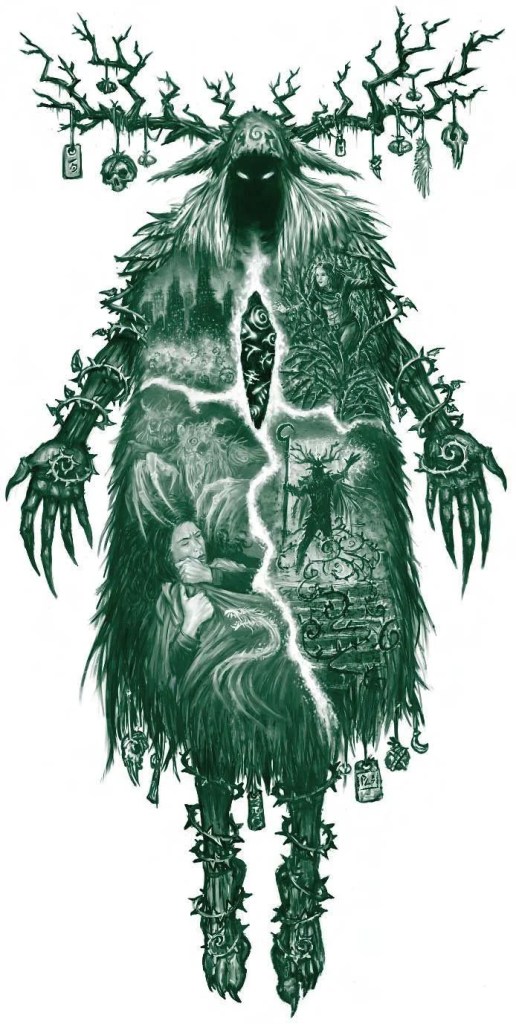
I’ve been reading the 2005 edition of the TTRPG Changeling: The Lost, and it got me thinking about how much influence games, especially TTRPGs, have had on my writing. Not so much playing the games, but reading the books, especially setting material. I wouldn’t say they were as much a factor as the novels I’ve read, or of personal life experiences, or even of movies I’ve seen, but they certainly have had their place.
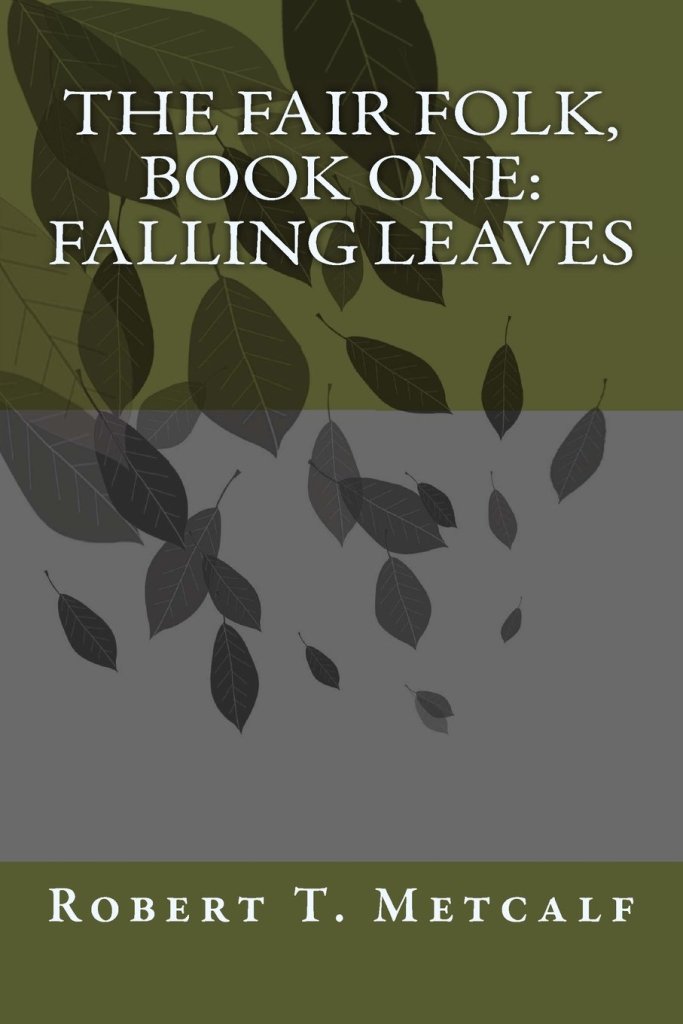
I first read Changeling about 20 years ago, and even though I never actually played the game, it stuck with me. About 15 years ago I wrote a novel called The Fair Folk: Falling Leaves, a story about a woman who escapes from Fairie (the realm of fairies) to Las Vegas, where she becomes embroiled in the machinations of the seedy Vegas Fae underworld. The only real similarity to the game and the novel is that they’re about faeries/ changelings in a modern setting, but I’m certain that the game sparked the idea for the story, at the very least.
Other games have had at least as much impact. Dungeons & Dragons, which I’ve played since I was about 10 years old, off and on (mostly on, in one iteration or another), was what first got me into fantasy. The first fantasy novel I ever read was The Hobbit, which I loved (of course), but when I was young I mostly read adventure novels or comic books. I think my second fantasy novel was Dragons of Autumn Twilight, the first of the Dragonlance series, based on the D&D game. I was hooked. I read a ton of Dragonlance and Forgotten Realms books – almost exclusively, in fact, in high school (aside from assigned reading).
While the game itself has had little direct inspiration on my writing, I’m sure some of the settings (The World of Greyhawk, The Forgotten Realms, Dark Sun, Planescape) have crept into some of my own world-building. I’ve consciously limited that influence in many ways, especially in regards to magic and technology. I can see where D&D has influenced so many other fantasy authors, too, largely by the way they portray weapons, armor, and inns. I prefer darker, more dangerous magic than is typical to the game, and I try to keep the tech of my stories more realistic to the time periods portrayed.
One other game has had a strong influence on my stories – Call of Cthulhu, by Chaosium. This is another game that I haven’t played a lot, but I’ve read tons of the sourcebooks. The game was my introduction to H.P. Lovecraft and his style of horror. Much as I like Lovecraft’s stories, I think I like the TTRPG even better. The monsters and magic of the game appeal to me much more than those of D&D, for the most part. I have some very Lovecraftian entities in some of my stories; I’ll never have a flumph in anything I write (well, never say never, I suppose…).
So, while the people and events I’ve met and experienced over the years, the novels and history books I’ve read, and the movies I’ve seen are the biggest influences on my own stories, I’m forever grateful to Dynamite Magazine for introducing Dungeons & Dragons to me in one of their articles, sometime around 1980. I’m also grateful to my family, my friends’ families, and our local priest for not falling for the whole Satanic Panic of the period. Not only did I spend countless hours playing the game with my friends every Saturday morning (such a blast!), and even more hours reading the rules and sourcebooks, these games have provided some amazing inspiration for my own stories.
July 31st, 2026
As sometimes happens, I woke up at about 2 o’clock this morning with random thoughts bouncing around in my head, about how our view of the Sun has changed over the millennia. As I pondered, it developed into a sort of micro-fiction, which might fit as an introduction to a satire I’ve been considering (called Walking on Eggshells, about the roles of Liberals and Conservatives in modern US society — taken to silly extremes, of course). Here’s a very rough first draft:
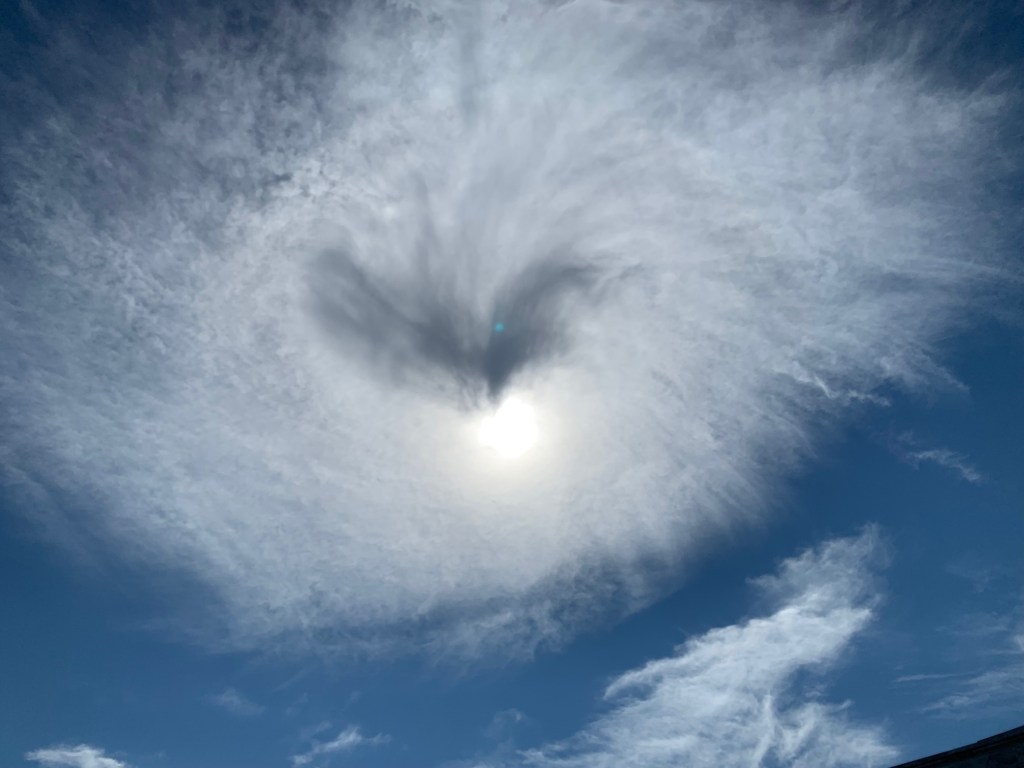
“The Sun, hurt, confused, and maybe a little irritated, hid behind the clouds.
From the time Man first walked upright, the Sun had been worshipped. It had been called Ra, Helios, Surya, Amaterasu, Sunna, and countless other names. Some of those names were masculine, some feminine, but the Sun never minded. After all, being a large ball of burning gas, it had no boto, balls, boobs, or vagina, so gender had little meaning.
The point is, it had been revered as a god (or goddess), often first among many deities. It was a giver of life, it was a giver of light. It brought order, rising as it did every morning to dispel the darkness of night. It fed the plants and algae that provided the first link in the food chain.
None of that had changed, but Man has forgotten. More than a million turns ago, the idea of a single all-powerful universal God began to overtake the idea of multiple gods. Heck, for a brief 6000 turns or so the Egyptians (or at least its leader, the pharaoh Akhenaten and a few priests) had declared Aten (another name for the Sun) as the One and Only. It hadn’t taken, and the Egyptian went right back on worshipping the thousands of other gods and goddesses, but it had been fun while it lasted. It was only when the Sun’s good friend Yahweh was promoted by the Semites from god of weather and war to God of Everything that the idea of monotheism really took off. The Sun was okay with that.
It was still held in high regard, at least for a few thousand more years, even after Science took away the mystery of the Sun. So it was a big ball of burning gas now, instead of a god. So what? It was still revered, it was still loved. Besides, most people now worship plastic boxes filled with wires and transistors, and even moreso the Celebrities that dwell within those boxes. Above all, though, Money is the Great Entity that claims the thoughts and prayers of Mankind. Sure, they pay lip-service to Yahweh (or Allah, or God, or whatever name they call the One True God). They continue to use His name to provoke all kinds of wonderful and horrifying acts, namely charity and bloodshed (called war in big enough numbers; here, though, Money still wins out as the prime instigator of violence).
Now? Now the Sun causes cancer. People hide from the Sun. For a brief period of time, Mankind stripped all-but-naked, wearing bikinis and Speedos, and lay beneath the Sun’s rays, browning themselves and basting in tanning lotion. But as Mankind always does, they overdid it. Too much of anything isn’t good, right? Too much water, you drown. Too many stabs with sharp objects, you bleed out. Too much wine, you die. None of this is new, Mankind has always known it. So why did they think that baking yourself into leathery husks was going to be good for you?
Anyway, thought the Sun, peeking out from a stream of cirrus, here we are. Slather yourselves in SPF 100 all you like, people. I don’t care. I’m just going to keep on feeding the plants, powering your solar panels, giving you your freaking vitamin D, and banishing the night, just as I’ve done for the past trillion and a half turns. You don’t have to love me, but you’ll always need me. By the way, no one ever declared war because it was too sunny, but whatever.
You’re all a bunch of nutters, anyway.”

July 19th, 2026
I’ve never been a religious person. I went to Catholic school for the last 9 years of my pre-college education, and I went to Church when Mom made me (which was not all that consistent, especially by the time my brother and I were teenagers). I believed in God, Jesus, the Holy Spirit, and Mary, and maybe in the saints, too. In adulthood, all that didn’t stick, though. I don’t disbelieve in God, I just don’t have any real convictions towards Him, one way or the other.
Growing up in Small Town Iowa, religion was central to the community, second in importance only to high school sports. After High School, living in larger cities in the US and Japan, it was never that big a deal to anyone I knew, with few exceptions. I was fine with that. Never gave it much thought, really.
I decided over time that God might exist, He might not, and it didn’t really matter much to me. If he exists, and he’s omniscient and omnipotent, per his resumé, I suspect he’ll forgive my transgressions and lack of faith, knowing, assumedly, that there was no malice in my neglect. If he doesn’t exist, nothing gained, nothing lost. If he exists and he condemns me to an eternity of hellfire, He’s a prick and I don’t want anything to do with Him anyway (though frankly the whole idea of Hell doesn’t really ring true for an all-loving deity, also on his resumé).
We’re moving to Mississippi, though, right smack dab in the middle of the Bible Belt. I don’t expect it to be an issue; I respect everyone’s creed and generally I’ve been accepted for (or despite) my agnosticism. But there’s a part of me that thinks it might be interesting to check out some of the churches there, since it’s such an integral part of their culture. Maybe crash a Baptist service, or Protestant, or Evangelical, or whatever is popular in the area. I imagine there’s a mosque or synagogue in the Memphis area, so I might want to sit in on their services, too.
I’d have to be up-front with the congregation that my interest is more of academic curiosity than of any intent to convert, or I’d feel like a heel. But I’d love some in-depth discussions on faith/ religion, especially with the priest (pastor, preacher, reverend, shepherd, rabbi, imams, or whatever the congregation calls their leader), over a pint of beer (or tea/ coffee in the case of non-drinkers). Unlikely anyone would change my mind at this point, but it would be a fascinating conversation.
I’ve read lots of books on philosophy, and a few on the different religions (including the core texts of a few: the Bible, the Bhagavad Gita, the Tao Te Ching, a few others – but not the Quran, yet, though it’s been on my Amazon wish list for years). I’ve observed Buddhist and Lutheran services, and I attended whatever you’d call the services they give in Boot Camp, when I was in the Navy. I’m oddly drawn to gospel music (By the Rivers of Babylon; Swing Low, Sweet Chariot; John the Revelator – awesome!).
I’ve never been a believer, though I get the appeal. I’m certain that every main religion (and many of the smaller ones) is overwhelmingly positive, even if the dogma is sometimes twisted to suit greedy or otherwise self-centered leaders. I’ve just never felt the need for it.
I’ve always loved people (even as I’m often frustrated by them), in every part of the world I’ve ever visited (and I’m fortunate to have traveled a lot, all across the globe), so I’m really intrigued about that facet of southern culture (also the barbecues!).
If anyone in the Memphis/ Southaven area has any suggestions on what locations I should check out, please email me at metcalfr001@gmail.com.
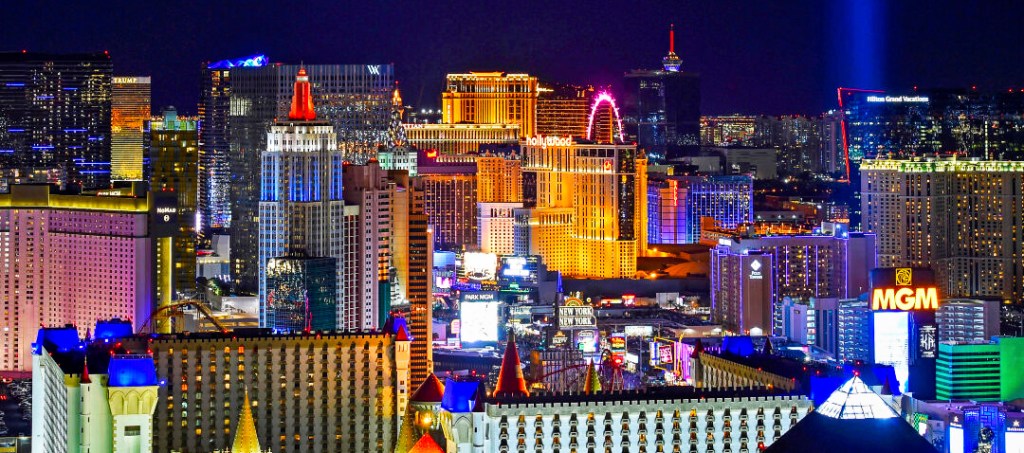
July 13th, 2026
I’ve been feeling a bit happysad lately. It’s a funny thing.
I’ve always been excited about new adventures – change is something I typically enjoy, as I can get bored easily. My 10-year employment at Softron was a rarity. Aside from the military, where I didn’t have much choice, I usually stayed at a job for 1-3 years before I lost interest and had to leave. My 17-year stay in our Henderson house is the longest I’ve ever lived in one place in my entire life. Even before I joined the Navy, I moved around quite a bit (the 8 years between Mom marrying Dan-dad and my leaving home for the service was the most stable part of my childhood).
This time it’s a little bit different. I can’t wait to be closer to Jus, Beans, Juni, and Adi. I’m looking forward to living in a green region, with a wetter climate. I’ve been ready for a new job for quite some time (mush as I like the Softron team, the job itself felt very constraining). The houses in the Memphis region are affordable, and it’s been fun looking at prospective new homes. All that makes me hopeful, happy.
But I’m feeling a bit sad, too. I’ve grown attached to our house – there are a lot of great memories here. I like that there are almost no bugs in the desert (except for ants, which become a nuisance about every other summer). Outdoors plans rarely get canceled by rain. I’ll miss some aspects of the job, such as the relatively short hours and plentiful time off, but mostly I’ll miss spending time with the team in Belgium and Amsterdam. My friends, of course, are what will be the most difficult to leave behind. I’ve met and gotten to know lots of good people here in the Vegas area, too many to name, many of which I wish I’d gotten to know better and to spend more time with. Ron and Daniel, though, I’ll miss very, very much.
Happysad is a good thing, though. It’s a feeling of loss, because of what I’ve gained. In truth, what I’ve gained will never truly be lost, they’ll always be kept as fond memories. I’m fortunate in that the vast majority of my life has been happy, with enough sad points to make the good shine that much brighter.
In the end, memories are all we take with us when we leave this world.
I’m pretty sure that when my time comes, I’ll leave with a smile on my face.
July 4th, 2026
July 4th, Independence Day here in the US, seems like a good time to think about America, right? About our history, about our future, what “America” actually means? Obviously, going all in on this would take volumes, and I don’t have the time or inclination for that right now… But, in brief (sort of), here are some thoughts:
American history, like history in general, is complicated. We like to think that history is a collection of facts, but it’s really more of a story, with some facts thrown in to give it substance.
July 4th, 1776, is not the date that the United States became independent from British rule. The Second Continental Congress had already voted to separate from Great Britain on July 2nd. The Declaration of Independence, written in June, was adopted on July 4th, after some debate among Congress and revisions to the wording. It was signed by most of Congress, finally, on August 2nd. On September 3rd, 1783, the Treaty of Paris was signed, formally ending the American Revolutionary War and granting Independence to the United States of America. This is years after open warfare, and even more years after rebellion (including the Battles of Lexington and Concord, on April 19, 1775, where the “shot heard round the world” was fired and 122 people were killed).
Those are the facts, but not the story, at least not in the way we celebrate our independence. The fireworks, parades, backyard cookouts – that’s for July 4th, and that’s been the case since pretty much the earliest days of our nation. That’s when the story, in the minds of most Americans, begins.
American History, since its independence, has not become any clearer, fact-based, understood, or undisputed. “History is written by the victors,” is a quote tossed around since at least the 1800s, and it is largely true. For centuries American history was the story of a rag-tag bunch of colonists who tossed away the yokes of servitude to the evil British crown, followed by the conquest of the savage natives and the repelling of other nations that would hold us back from our “manifest destiny.” We rescued hundreds of thousands of Africans from their pagan ways and gave jobs (albeit without actual pay) in the New World. After a time we decided that the Africans were actually people and that maybe it was a bad idea to own human beings. The South didn’t like the idea (or, at least, they didn’t like Big Government telling them slavery was bad), so we had a five-year kerfuffle in which up to 750,000 Americans were killed. Then we stepped in and saved Mankind, not once by twice, in World Wars.
Things got a little murky after that, thanks to film and journalism. Coverage of the Vietnam War put a darker lens on war and government. Kent State happened. Watergate happened. The excesses of the 80’s happened. 24-hour news happened. Mistrust became the norm, which evolved into cynicism. Government was bad. Capitalism was bad. America was bad. Religion was a con.
Or:
Unfettered capitalism is the best. America is the best. Christianity is the only thing that can save Mankind. Government was still bad, but only because it is secretly being run by satanic pedophiles. Or Jews. Or the wealthy. Or something equally scary.
So here we are. The current Story of America is one of division, distrust, violence, and hate. Democrats vs Republicans. Liberals vs conservatives. Us vs them.
Like so much of history, this is a fiction founded on a kernel of truth. Do we all agree with each other on everything? No, of course not. Do our disagreements sometimes devolve into name-calling or even bloodshed? To be sure, though by far more of the former, and mostly on social media. This is not a new thing. It’s not unique to the US. From the early days of Mesopotamia, throughout every recorded society in the world, there has been conflict, great and small.
America is a melting pot. Or a salad, depending on if you prefer to think of the country as a conglomeration of many cultures into one soupy whole, or as a mix of many visible and independent cultures into a healthy and cohesive dish. Both work for me, in their own ways.
There are 342+ million American citizens. There are 21+ million non-citizens living here, almost half of which do not have legal authorization to be here. In urban areas in particular, where the vast majority (80+ %) of Americans live, Christians work with Jews, Muslims, Buddhists, Hindus, pagans, and countless sects within those religions, plus the religiously non-affiliated, which includes about 29% of the population. White, black, brown, and every shade in between rub elbows on a daily basis. As do liberals, conservatives, and moderates. As do Republican, Democrats, Independents.
The streets do not run red with blood. We’re not gunning each other down every time we step outside our doors. We’re not screaming at our neighbors or pummeling strangers as a part of our day-to-day experience. All that’s just an exaggeration, a social-media fueled myth that defies the reality we see all around us. It’s a myth that is used by media to sell ads, by a government to sow dissent in an effort to push their agenda, by other governments hoping to weaken us (“together we stand, divided we fall,” remember?).
What does this mean for the future of America? Hard to say, really. Certainly, we’re no longer a paragon of the democratic ideal, as many Western (and a few others) viewed us for many years. And we’re just as despised by the governments, and sometimes the people, of the same countries we’ve had poor relationships with in the past. So that’s not good, and it’ll likely take at least a generation to recover our reputation (if it ever fully recovers).
Ultimately, though, I’m optimistic. We’ll sort through the b.s. We don’t have to share the same ideas, or ideals, to get along. We can accept, even appreciate, our differences. With the World Cup, we’re seeing the joyous discovery of the real America by global tourists. They’re finding an America full of kindness, cooperation, life, and love. YouTube is flooded with videos showing the excitement of visitors at American cars, food, and hospitality. It’s beautiful.
I’ve had the great luck to have travelled all over the world since my late teens. What these videos show is something I learned at a very young age. There are a lot of differences in the cultures and subcultures of the world (and even in America). Some are odd, some are fun, some are bewildering, and a few are disturbing (the dog carcass I saw for sale in a meat market in Korea still makes me shudder). But everywhere I’ve been, rich nation or poor, in Asia, Africa, or elsewhere, people are way more similar than they are different. They want a roof over their head, food on the table, and safety for themselves and their families. They laugh, they cry, they tell jokes, they love their children and their spouses and the rest of their friends and family.
It’s the same here in the US. We’re all different, we’re all the same. It’ll become clear again, and things will go back to as normal as it’s ever been.
The Myth of Division will die, and we’ll all be better for it.
June 27th, 2026
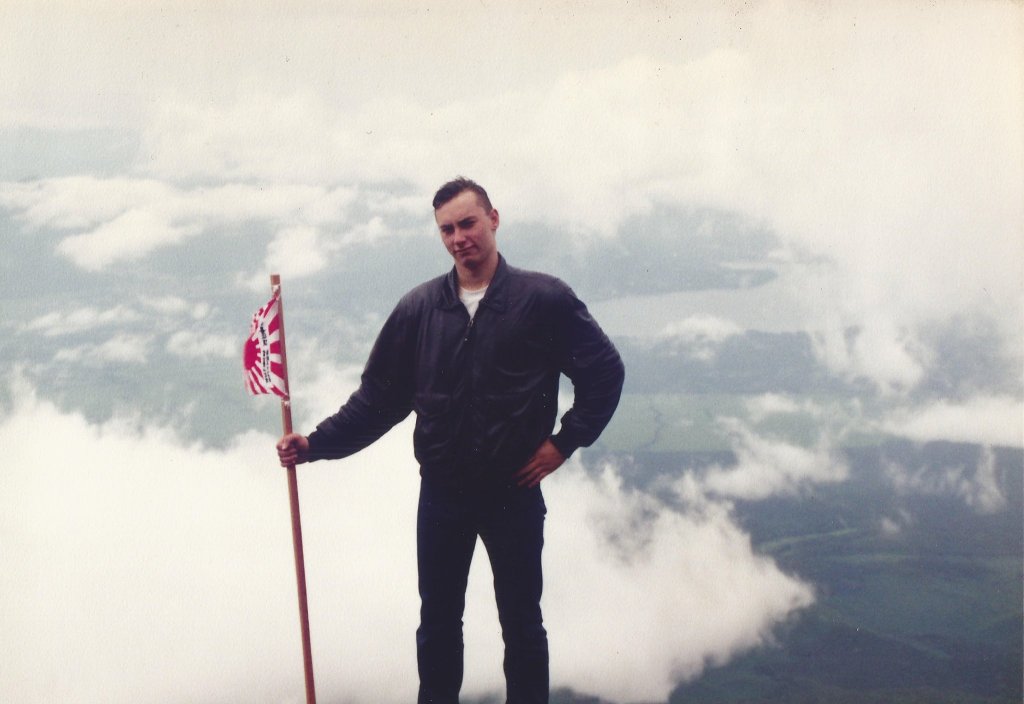
The whole World Cup thing has gotten me thinking about sports. There was a brief time in my childhood that I watched baseball, memorized and followed my team’s stats (the Dodgers, by the way, when it was Tommy Lasorda as manager, with Steve Garvey, Fernando Valenzuela, etc. on the team). I even had a Sport Illustrated subscription. But for most of my life, I never really followed sports, at least not very closely, and after I joined the Navy not at all.
I’ve always enjoyed playing sports, casually. Baseball at recess, the occasional pickup game of basketball, pretty much anything. I played Little League and some intramural sports (not very well, on either account). Later in life, there were a few golf outings and a time or two knocking a tennis ball around. I’ve always had a raw athleticism — in most every event in the Presidential Fitness Test I scored towards the top in the class — but I never had the desire, or maybe focus, to excel. This probably had something to do with the introduction to Dungeons and Dragons at such a young age. How can chasing a ball around a grassy field compare to chasing dragons and orcs and goblins through caves or ruins, especially when the reward could be a talking magical sword instead of a trophy to gather dust on a shelf?
Don’t get me wrong, I get the appeal. The “agony of defeat.” Overcoming great odds in an upset game. The high of seeing people you love succeed. That’s all great, it really is. And I can appreciate the incredible skill and drive it takes to compete at the level college and professional, or even high school, athletes play. I’m amazed at their prowess, and it’s a beautiful thing to behold. I just can’t seem to let my brain go into spectator mode for that long. I struggle to sit still for an action movie, sometimes, let alone watching a bunch of guys or gals running up and down a court or field.
Closing in on retirement (about 11 years or so to go), I sometimes think it might be interesting to start watching some games again. Probably baseball (I know some find it boring, but there’s a relaxing appeal to the sport, IMHO) or soccer (simply because it’s such a big deal throughout the rest of the world). I don’t expect I’ll ever be a diehard sports fan. I’m 99.99% certain I won’t riot of my favorite team loses a big match (if I do it’s because I’ve never been in a riot, and life is all about experiences).
At the moment I have no real interest, and even less time, to sit before a TV to watch other people compete. I’d like to play tennis or golf more, or go bowling on occasion, maybe get back into Tae Kwan Do (which I actually really did love — thank you, Matt; RIP, my friend) but I don’t have any inclinations to be a spectator. Unfortunately, this keeps me on the outside of a lot of conversations around the water cooler (not at my current job, where everyone is a nerd like me, but it’s been the case throughout most of my adult life). I can talk music, history, literature, philosophy, religion, or politics with the best of them. Sports? Not so much. The only thing I know less about (or care about) is fashion.
On the positive side, not watching sports allows me the time to read, write, go to the gym, watch movies and TV shows with my wife, go hiking, play games, and do the countless other things I enjoy. If I win the lottery, or when I retire, who knows, maybe I’ll become a sports fan.
In the meantime, the most interesting part of the World Cup is reading about actual sports fans from around the world discovering ranch dressing, Buc-ee’s, free refills, and the fact that Americans aren’t (as a general rule) hateful gunslingers who hate foreigners.

June 23rd, 2026
Of all the things that occupy my mind, sports is rarely one of them. The 2026 World Cup is no exception. The fact that it largely takes place in the US this year is only slightly more interesting, except in one fascinating way: the responses of those visiting the US for the first time.
The introduction of ranch dressing to the world is all well and fine, and this seems to be the visitor response that gets the most news. What I think is interesting, though, is the breaking down of prejudices. So many of the responses I’ve read include surprise at how friendly Americans are, how welcoming and open, no matter the responder’s country of origin. The fact that we’re not running around with guns shooting at anyone who isn’t on our side of the political aisle was apparently a shock for many, too.
Media, whether network or social, paint a very divided America in their stories. Certainly, there are differences in opinions, and sometimes these opinions become heated, even violent. This is nothing new, and it’s the reason why it’s frowned upon to discuss politics and religion at social gatherings. This wisdom is still ignored, of course (what’s Thanksgiving without at least one blow-up over this issue or that?), because there’s always that guy who just can’t help himself (more to get attention than anything, more often than not, IMHO).
But really, we get along remarkably well, considering the vast array of ethnic backgrounds and faiths, not to mention political ideologies and simple quirks of individuality. There are things we don’t like about each other, as often as not because of personal biases, assumptions, or misunderstandings. By and large we accept them — live and let live, after all. There are bigots, to be sure, and the angrier and more self-deceived they are the more vocal they tend to be. Those poor ignorant souls, however, are a very small (albeit loud) minority.
I travel a lot, and it’s the same everywhere in the world. What I see when I visit other places is the same thing that World Cup visitors have seen — that people are just people. Mostly cool, sometimes asinine. Mostly friendly, sometimes surly or noncommittal. All just trying to get through life as best they can, doing their best for themselves and their loved ones.
Travel, whether for sporting events, conventions, vacations, or whatever, opens our eyes to see people as they are, rather than just eating the cardboard cutouts force-fed to us on TV or the internet. It opens our ears to what people say and believe, rather than just listening to the stereotypes we’ve heard over lifetimes of bad jokes, lazy writing, and inherited prejudices. It brings us into a new reality, a more truthful reality.
That, I think, is a beautiful thing.
June 12th, 2026
By nature and by nurture, I’m an optimist. Undeniably so, and unapologetically so. But not unrealistically so.
I know there’s always a chance of failure, that things will go awry no matter how hard or how smartly you work at something. I also know that the harder you try, the more persistent you are, the better you plan and prepare, the higher the likelihood of success.
I push myself to write and rewrite and rewrite again, to submit queries no matter the number of rejections (and they can be dispiriting, believe me!), to constantly try to better my craft and to understand the publishing business. That’s what it will take to succeed.
My optimism is fed mostly by probability. Plus a little lot of stubbornness.
Zero work = zero probability of success. Work my soul into a stupor and my fingers to bloody stubs = some probability of success.
Writing is a tough business. The statistics are very much against me. I know that, but I’ll keep trying, and I won’t give up until I get called to the Final Adventure.
It’s optimism that keeps me trying, despite the odds. It reminds me that setbacks are temporary, not permanent. It allows me to take risks, to attempt something that is likely to fail but whose success could lead to something amazing.
If I do “make it” as an author someday, it’ll be because I believe it’s possible. Because it’s possible, I’ll keep working at it. The more I work at it, the higher the probability of success.
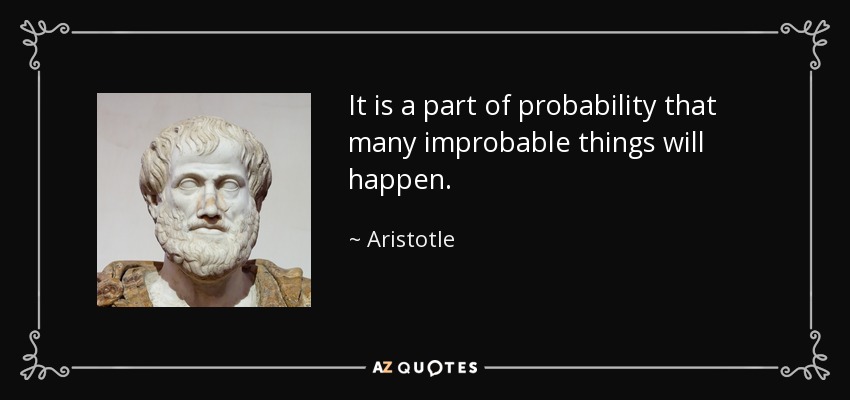
After all, in the words of Aristotle: “It is a part of probability that many improbable things will happen.”
Succeeding as an author is improbable, to be sure, but I can deal with improbable — I’m an optimist.
May 5th, 2026
Bad news. For that past few weeks I’ve been doing a revision of a novel I wrote more than 10 years ago, The Fair Folk, Book One: Falling Leaves. I received a lot of notes when I self-published it on Amazon, which helped me make a lot of improvements. I like the way it turned out, and I was looking forward to querying this one (especially since I had recently read that Urban Fantasy is especially hot right now).
Unfortunately, I did some research on the effects of self-publishing when seeking an agent/ traditional publisher. As it turns out, it’s all but impossible to get representation on such a book, unless it sold thousands of copies (which Falling Leaves did not). Not completely impossible, but close.
So what to do?
Well, I did what I always do when I’m disappointed. I felt sorry for myself for a bit, then pushed aside the ache and analyzed the situation. The Fair Folk is a bit of a long-shot now. In it’s favor is that I didn’t market it, or do anything really to sell it — it was mostly just a way to share it with friends and family. From what I’ve ready a few agents and publishers will be understanding in this scenario, though it still has a prominent black mark for having been self-published. I’ll query it, and expect nothing.
Self-publishing, though, doesn’t affect (much) the opportunity to sell other, unpublished, books. Apparently at one time that was a career killer (which I didn’t know at the time I went through Amazon), but the stance on that has softened considerably over the years.
So I’m going to do a major revision of Farthane, the novel I finished earlier this year, to bring the word count to around 100,000 words. Currently it’s at about 127,000, which, as it turns out, makes it all but unsellable as a debut novel. By cutting one POV character, Lord Elryss, I’ve nixed about 30,000 words. Now I’ve just got to scour the other POVs to fix the wholes in the plot, narration, and dialogue. Challenging, time-consuming, and it’s always hard to toss aside that much effort.
After that, I’ll start a new novel. If that doesn’t sell, I’ll write another. And another. I’ll keep writing until I’m too arthritic to tap the keyboard or too blind to see the monitor. Even then, I’ll find a way. If nothing else, I’m stubborn. I also know that the only way failure is guaranteed is to not try at all.
Fortunately, there are a lot of resources online that I didn’t have when I was writing before. I’m still fumbling along, still making mistakes, but at least now I can more easily see my fail-points, so I can correct them. It’s going to be difficult to get published. I know the chances of success are very low, no matter how hard I work at it, no matter how strong of a writer I am, no matter how persistent I am.
At any rate, all I can do, and all any of us can do when disappointed, is to suck it up, refocus, and keep going.
May 30th, 2026
With the upcoming move to Mississippi eating up most of my brain-space, leaving little time for other things, I’m reminded of how much writing is an addiction. Even going through the revision process doesn’t really scratch the itch, so not having written anything new over the last few months is driving me a bit batty.
Ideas still crop up, and I file them away for future use (sometimes literally, in a folder full of potential plots, characters, dialogue segments, and so on; usually just mentally), but not sitting down and putting these things to paper is hard. I can feel myself get antsy, irritable, a little depressed. I’m Jonesing, big time…
Life happens, though, so I just have to deal with it. I go through mild withdrawals during the revision process, which uses more the technical side of my brain than it does the imagination — I’m looking for plot holes, overused conjunctions, typos, unintentional bad grammar, that sort of thing. There are points where a more creative choice of wording pops up during revisions, which gives a little rush, so I don’t mind the process too much.
The real high, though, is writing the first draft. That’s when I just let my brain and my fingers run loose. Before I sit at my keyboard, the kernel of the story is already there. Where does it come from? Good question. One that Stephen King could never really answer when asked the same thing, so how can I be expected to know? Alice Walker came the closest to a good explanation, I think, by comparing an author to a medium. It really is like communing with spirits, letting the story flow through you from some unknown Elsewhere.
Some authors draw up outlines before writing. I’ve tried that, and it never works. I let the story go where it goes, and it never follows the roadmap I’ve set for it. I typically have a few characters in mind, the core plot-line, and a rough idea of how I’d like the story to conclude, but that’s about it. The side characters, sub-plots, dialogue — all that unfolds for me the same as it would the reader. I really don’t know what’s going to happen, how a character will react to events, who’s going to succeed or fail or hook up or die. Oftentimes, the book ends completely different than how I’d expected.
That’s the addiction, I think. Seeing worlds created, or seeing our own world through different lenses. Living the lives of characters familiar and fantastical. Fearing for those I’ve grown to love and rejoicing at the failures of those I despise (even as I often feel sorry for them). I’ve been a warrior, a witch, a spy, a priest, a prostitute. I’ve been rich, destitute, diseased, brilliant, and mad. I’ve used magic and time machines and I’ve flown space ships. I’ve been beaten and gored and burned to cinders. I’ve died young, I’ve died old, I’ve lived happily ever after.
Most people have one life to live — I’ve lived hundreds. God willing, there will be hundreds more.
I can’t wait to get my next fix…
May 24th, 2026
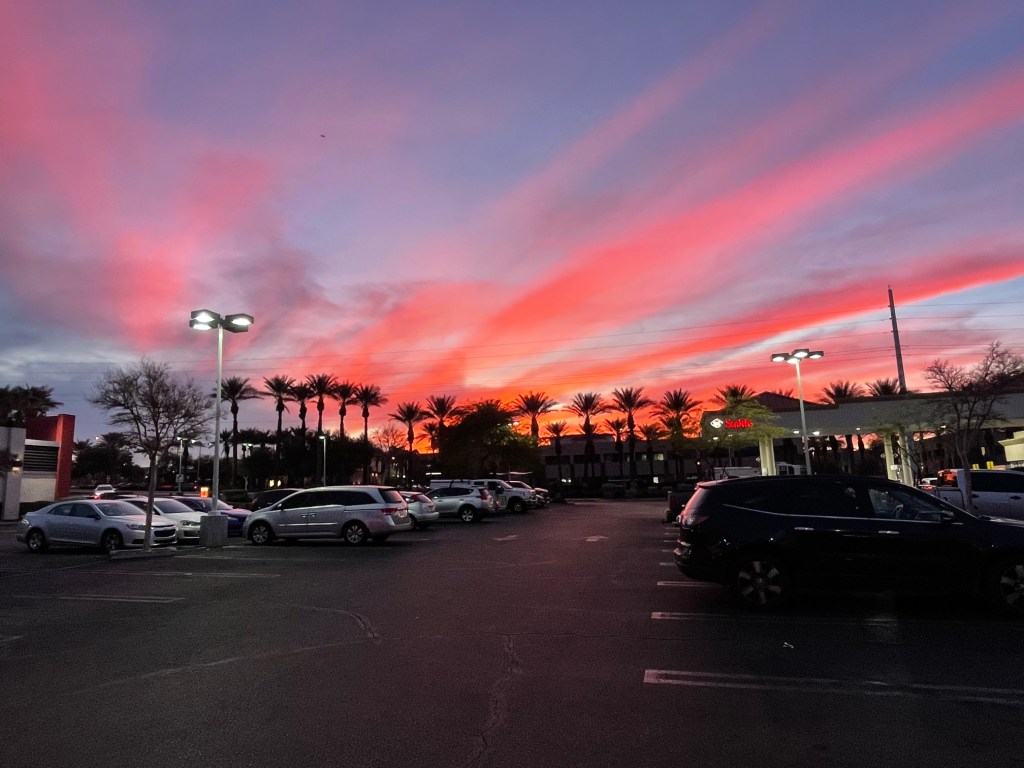
It look like we’ll probably be moving to Mississippi in mid-July. For the most part, I’m looking forward to it, mostly because we’ll be close to our son and his family. It’ll also be nice to be somewhere green (our current neighborhood is nice, but drive outside the city and its rock, sand, and dirt for as far as they eye can see, in shades of reds, browns, and grays). I’m excited to start a new job, hopefully in an industry I’m more interested in (I like sales, but I’m not really vested in broadcast), though of course this is nerve-wracking, as well (mainly because I don’t have anything lined up, yet).
But there will be a lot I’ll miss. My friends are at the top of that list, obviously. That’s going to be tough. Very tough.
As well, the house we’re leaving is the longest place I’ve lived my entire life, about 17 years. I’d lived on the farmhouse in Iowa for about 8 years, the longest place I’d lived in prior to our move to Vegas back in 2008. Otherwise, I’ve moved around quite a bit, as a kid mostly in the same general area (Waterloo, IA), but as an adult all over the US and abroad. I lived in Hawai’i for about 13 years, but never in the same apartment for very long (a few years, tops). I keep looking around, feeling almost two decades worth of memories seeping out of the walls.
Vegas is probably second only to New York City for restaurants in the US, so that’ll be hard to lose. So many fantastic, top-tier spots here, and not just on the Strip. We live in Henderson, a suburb, and we’ve found some amazing places to eat, in so many different types of cuisine. We have our favorite eateries for Greek, Italian, Indian, pizza, poke, sushi, soba, and more. Not sure we’ll find that variety in the Southaven, MS, area (maybe in Memphis, not far away). So far we haven’t found any especially good restaurants near there. I’m sure we’ll eventually find a stellar barbecue place, at least (no luck so far, though), and there must be some good Southern restaurants (I did find a place with excellent red beans & rice, so that’s something).
We’ll have to get used to bugs again. One nice thing about the desert is that there are very few insects. Ants, and the occasional fly, I guess, but no mosquitoes, gnats, chiggers, or any of the other pests. Scorpions and spiders… sure, but not so much in our neighborhood.
I have to say, though, that I’ve loved every place I’ve lived, and most every place I’ve visited, all throughout the world. I’ll make new friends (not to replace anyone, just to add to my current group), we’ll meet a lot of great people (and a few not-so-great). We’ll find new favorite restaurants, we’ll hike new trails. We’ll have good times, we’ll go through rough spots. That’s how it’s always been, in Iowa, or Bahrain, or Japan, or San Diego, or Chicago, or Hawai’i, or… everywhere. I expect Mississippi will be a fantastic experience, if we go in with the right attitude and an open mind.
Every place is different, but mostly the same, because all people are different, but mostly the same.
I’m nervous, of course I am, but mostly I’m excited. Life is made of experiences, and new adventures await!
May 16th, 2026
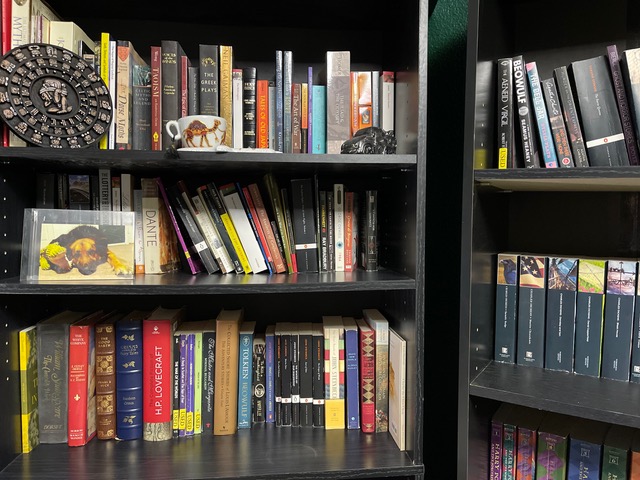
I was thinking the other day, when I finished reading Dragons of Spring Dawning, how odd it is that the genre I find myself writing the most (fantasy) isn’t what I usually read. I read the Dragonlance Chronicles because it sounded fun to jump back into a story from my childhood, though it turned out useful in seeing the evolution of Weis and Hickman’s skills as novice writers.
Most of my favorite books, though, are not fantasy novels. I didn’t like the Wheel of Time stories (actually, I liked the first five or so, then got bored), anything I’ve tried by Sanderson (except Mistborn, which I enjoyed), or most of the other popular series I’ve tried to get into. There are exceptions, of course. A Song of Ice and Fire is one of my favorite series of all time (sadly unfinished — focus, Martin, focus!). I read The Lord of the Rings every five to ten years. The Lies of Locke Lamora, by Scott Lynch, was excellent. Patrick Rothfuss (the Kingkiller Chronicles) has absolutely beautiful prose (even if the story of the Chronicles isn’t really my thing — soooo tired of fantasy books about schools… wizard schools, martial arts schools, thief schools, assassin schools… the Harry Potter books are the only ones of that sub-genre I liked, and it’s become a very tired trope, to me).
Historical fiction is the genre I’ve enjoyed most, I think. Ken Follett’s Kingsbridge series was fantastic, and so far (I’ve only read the first book) his Century Trilogy is just as good. All of Edward Rutherford’s novels have been terrific (I’ve read them all). Bernard Cornwell’s books are always fun, though they’re much more action-oriented than those Follett or Rutherford.
Horror is a lot of fun, though I’ve really only read Stephen King (all of his that have been released in paperback) and Robert R. McCammon (whose Swan Song may be just as good as King’s The Stand, similar in story and scope).
I enjoy sci-fi, too, sometimes. The Expanse series by James S.A. Corey was very good (as was the TV adaptation). I read the Robot and Foundation series by Asimov not long ago, and they were… interesting, at the very least (not a fan of the writing style, but the imagination was definitely worth exploring).
The Classics, generally speaking, are classics for a reason. Almost every one I’ve read I’ve loved. East of Eden is one of my favorite books of all time, Steinbeck being at the top of my favorite authors). Jack London’s stories of the Yukon Territory (Tales of the Klondike, White Fang, Call of the Wild) are among my favorites, as are pretty much everything I’ve read by Dickens and Shakespeare. Milton’s Paradise Lost and Dante’s Inferno are immensely fun, even if they were written hundreds of years ago (in epic poem format, no less).
Every now and then I’ll get a bug for a spy novel, Western (Lonesome Dove!), noir (Raymond Chandler is a favorite), thrillers, drama, or whatever.
Still, the tales in my head tend towards fantasy. The Fair Folk is Urban Fantasy. The Sen Braieth stories are dark horror fantasy. Pico was a science-fantasy novel for kids. Broken was an exception, more on the serious side, dealing with survivor’s guilt. A lot of the short stories and flash fiction I’ve written were not fantasy, I suppose. Generally, though, my mind goes to swords, sorcery, and the like when I put pen to paper (or, more accurately, fingers to keyboard).
I do have some other genres floating around inside my head that I’d like to write someday. I’d love to do a generational historical fiction on the foundation and growth of Las Vegas, a la Rutherford. I started a novel about an aging man trying to understand the changing world (called All Through the Wild Meadows, if I recall correctly), but I only made it a few chapters in. I also started a sci-fi novel (actually a collection of short stories connected by a unifying device) called The Assassination Algorithm. Another sci-fi novel I started, but didn’t finish, was called Ame Sekai (“Rain World”), about futuristic samurai on a planet constantly battered by storms. Another, Lords of Ash, was about the rebirth of the ancient gods (Thor, Raven, Hades, etc) in a post-apocalyptic America.
I started a retelling of The Song of Roland that takes place in an alternate fantastical Earth (the story was called Charlemagne’s Dragons, one of the Anno Draconis tales I’d planned). There’s a thriller I got about one chapter in about a blind woman newly moved to a small town in Iowa, stalked by someone from her past (the whole story would be told without visual cues); I think the name of that one was All I See is Darkness. I’ve also wanted to do a novelization of the Norse Myths. Craziest of all, probably, is that I outlined (but didn’t start writing) an epic poem on the history of America, in the vein of The Aeneid (but more nuanced, less nationalistic). Many more, actually, those are just a few that I’ve started, to one degree or another.
So many ideas, so many stories, so little time. If I can get a few books published, I’m hopeful I’ll be able to get these written, to dive into other genres.
If nothing else, I’m only 10-12 years away from retirement…

May 6th, 2026
Big changes coming soon.
I wish I could say that I’ve just sold the next Number One Bestseller, but, alas, that’s not it. Or that I won the lottery. Nope, not that, either.
What happened is… I’ve tendered my resignation at the company I’ve worked for the last 10 ½ years. I had a great run. I learned a ton and got to know a lot of terrific people. The pay was good, the hours reasonable, and it allowed me to travel to Europe (every year on someone else’s dime).
A couple of things happened, though, that prompted my departure. Partly it was due to a pivot in the company’s target market, moving from small to medium businesses to enterprise level broadcast groups. I was part of the decision to move in this direction, as it meant a large increase in revenue. It also meant, however, that my lack of experience in the broadcast injury finally caught up with me. While I could understand our part in the workflow, conversing with our larger clients became very challenging. I lacked the in-depth understanding of the industry at that level – I was out of my depth. I could wing it, and it never caused any issues or loss of sales, but I wasn’t happy.
The main reason, however, is much more positive. We’re expecting a second grandchild, likely sometime in November or so. Since our son and his family live in Mississippi, it’s not easy to visit all the way from Las Vegas. We made it out every couple of months since they moved away, but that’s not enough. We want to be closer, to see them every week (or more!), to be a bigger part of their lives.
So, we’re on our way to Mississippi! We don’t have jobs, we don’t have a place to live, so it’s a bit nerve-wracking. My company offered a very generous severance package, and we’ll be selling our house in Henderson for a substantial return on investment, so we (probably) won’t starve.
It’s scary, it’s exciting, and totally worth the risk for the chance to be close to the family again.
May 2nd, 2026
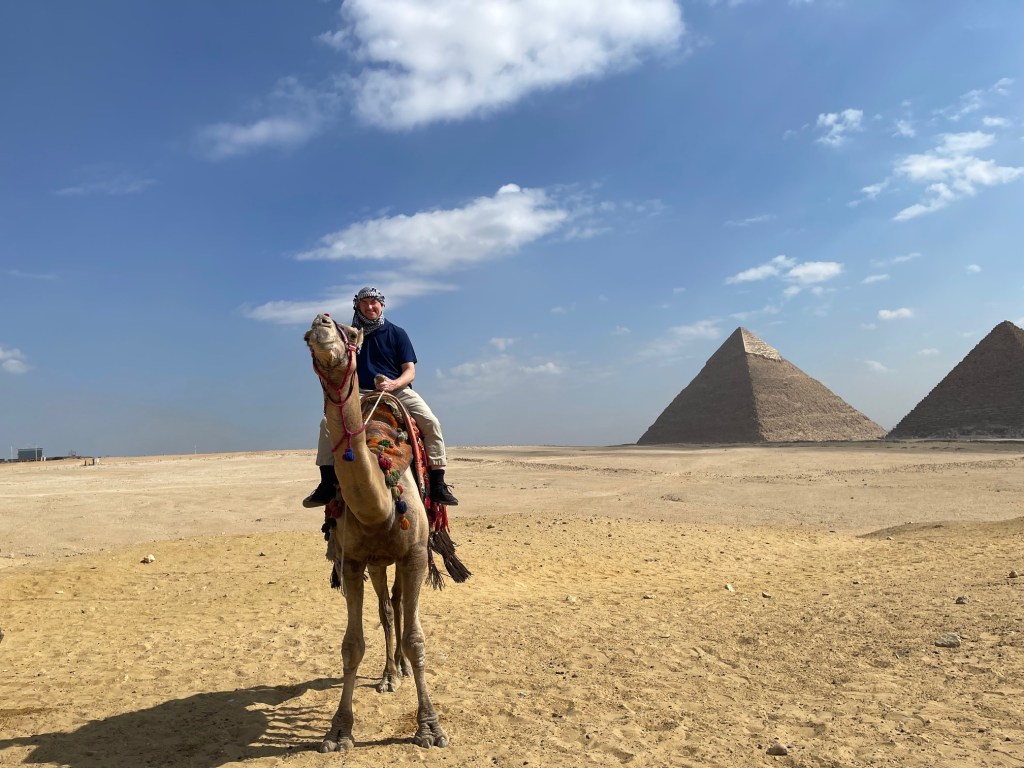
We’ll be flying to Florida next weekend, then Chicago and Iowa in June, then Arkansas in July. Not long after that, we’ll be moving to Mississippi (or maybe Tennessee). During the move, we’re planning on taking about a week to make it a casual road trip, visiting whatever strikes our fancy along the way. Looking forward to all this, planning our route and what we want to see, got me to thinking about all the places I’ve been fortunate enough to experience in my life.
As a kid, we made frequent trips to the lakes of Minnesota, a road-trip once to North Dakota, and a family vacation to Orlando. All of those trips are deeply engraved in my mind, even though they were decades ago.
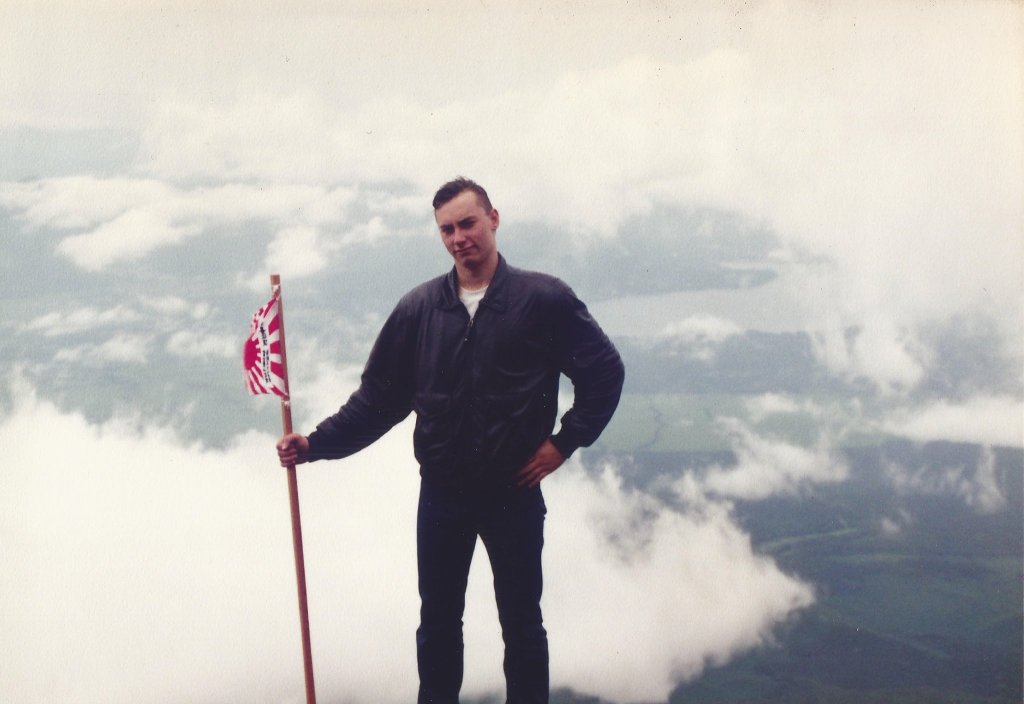
In the Navy, I spent time in Florida, Canada, Chicago, the Bay Area, San Diego, and Japan. On the various outings aboard ship (the USS Midway and then the USS Blue Ridge), we went to the Philippines, Hong Kong and Macao (at the time not part of China), Singapore, Malaysia, Indonesia, India, Sri Lanka, Australia, Guam, Thailand, and Korea (plus Saudi Arabia and Bahrain during Desert Storm, but unfortunately there was no time to really play tourist at the time).
After my time in the Navy, after a couple years in Japan as a civilian (teaching English and working at the PX at Camp Zama), I moved to Hawai’i, where I lived for thirteen years (and met my amazing wife, Christine). We then moved to the Las Vegas area, and from there did a lot more traveling.
For the first half of our time in Nevada, before we had much of an income, we made a lot of road trips and close travels. We visited California multiple times (San Diego, L.A., and a fantastic camping trip in the Yosemite area), Oregon once, and Wyoming/ Montana to check out Yellowstone, Glacier, and more. Sedona. Mesa Verde. Salt Lake. Zion. Bryce Canyon. A few trips to the Grand Canyon. All wonderful.
When we started making more money, we started taking international vacations (not to mention business trips to Belgium and the Netherlands, both of which I love). On one business trip, Chris joined me and we took a day in Paris, via train (the train system in Europe is soooo convenient). Over the years we made it to Mexico, Dominican Republic, Iceland, the UK, Ireland, Italy, Greece, Australia, South Africa, Zimbabwe, Botswana, and Egypt. I suspect I’m forgetting a few places.
That’s a lot for a simple farm boy from Iowa.
And we’re far from done. We plan to hit Carlsbad, Austin, New Orleans, and more on the way to Mississippi. We’re debating between Brazil, Peru, and Norway as our next big destination. Croatia, Germany, Portugal, and Spain are high on the list (and there’s a lot more in France, Italy, and Greece we’d like to see). We’d like to visit New Zealand, China, Jordan, Israel, and Turkey. Actually, we’d pretty much like to go everywhere, and many of the places we’ve visited definitely warrant a return.
So while most of my meanderings take place inside my head, I’ve been incredibly lucky to have wandered the globe in real life, as well.
April 25th, 2026
My boot drive pooped out on me last night, so I’m using my work computer to write this. It’s a bummer, of course, but at the same time it reminds me of how fortunate I am…
Not only do I have fantastic family and friends, I’m in a relatively safe financial situation in a time of definite economic insecurity across the globe. While I wish with all my heart that I was a full-time career author, I do have a very good job. It may be stressful and mentally draining, but it pays well and doesn’t take up every waking moment (typically not much more than forty hours a week, compared to the normal fifty to sixty hours when I was in restaurant management). While I’m far from rich, I’m secure enough that do get to take some wild vacations every year, and replacing my failed computer didn’t cause any real financial stress (I know I could have just replaced the drive, but I found a good deal on a new tower on Amazon).
It’ll be a pain setting up the new computer, downloading the apps I use, recovering passwords, and all that jazz. I’ll probably lose some files, mainly saved games, that I suspect were only on the hard drive. All my writing files, though, (or, at least, all of the important ones), are saved to the cloud. THAT is a huge relief, so much so that I felt very little stress at my failed drive. This isn’t the first computer I’ve lost, and I’ve always been pretty good about backing up files to redundant storage. It did happen once, however, that I lost a thumb drive that had at least two short stories (maybe 20-30 pages long) that I really liked, plus a ton of poems that were meh to good in quality. All gone, forever. Still painful to this day.
So if I ever sound ungrateful for where I am in my life, if I grumble or whine too much about not making a livelihood out of writing, please slap me upside the head. I deserve it. I’ll never stop trying to succeed as an author, but in most every way I know I’m extremely fortunate. A wonderful wife, great friends and family, a solid job, good health – I have no reason to complain.
April 17th, 2026
One of the biggest challenges of writing is finding the time (and sometimes, the energy).
I work full time as Sales Director for a software company. I’m fortunate in that the company is based out of Europe (Belgium, specifically), where they have a better understanding of work-life balance. While there are exceptions (conventions being the big one), I typically work about 40 hours per week (compared to, oftentimes, 60+ hours when I was in restaurant management). I also have a fairly flexible work schedule — my typical work day starts at home from 6 am through 9 am, then a two hour gym break, and then at the office until 4ish. We have customers and partners around the world, so on occasion I have meetings as late as 8 pm.
Of course, I also have family obligations, and I like to hang out with friends now and then.
So when do I write?
Really, I’m only able to get some time to write on the weekends and in the early morning, before work. I do have about an hour after work, before dinner, but most of the time I’m pretty burnt-out from work at that point to feel very creative (that’s usually my video-game time, to let the day’s stress melt away). After dinner is time with the wifey, and I wouldn’t sacrifice that even to be a world-renowned novelist.
I usually wake up at about 4:30 to 5:00 am, so that gives me about an hour a day to work on something (minus the time to make/ eat breakfast). On weekends, I usually have most of the morning, sometimes all day (though since our son moved away, we do fly out to Mississippi once every month or two to visit on a weekend).
My average writing speed is roughly one page per hour (a little more when there’s a lot of dialog, less if I need to do research). Ten to twenty pages is a good week. In a perfect world, that would mean I’d be able to write a book every year (assuming a novel of around 100,000 words).
It took me about three years to write the last book, Farthane. In part, it’s because it was a bit long (127,000 words). Mostly, though, it’s because there are always weeks when I can’t get anything done. Vacations. The flu. Conventions. Life.
And then there are revisions. It took me multiple revisions and about 6 months to get Farthane where I liked it. It’s a common adage in writing that a novel is never really complete, that there’s always more polishing that could be done, but at a certain point you’ve got to let your baby go out into the world, ready or not.
And then there is the whole querying process, trying to get published. Argh. Don’t even want to go into that right now. Suffice it to say, it’s tedious and time consuming.
If… IF I ever succeed to the point where I can do this for a living, I should have more time… But then I’ll have book signings, press releases, and so on. Blah (not so blah that I don’t want it, though!).
In the meantime, I’ll keep plugging away, as best I’m able, and be happy while I’m doing it.
April 10th, 2026
I’m sure there are at least a few people out there wondering why I put up this website. So here’s what’s what.
Most of my friends and family already know that I’ve been writing fiction for most of my life. When I was a kid, around 11 or so, I’d write stories featuring my classmates (and myself) in all kinds of adventures (and shoutout to Sister Luann for encouraging me, and for pushing me to read those stories in front of the class).
I wrote stories about frogmen, stories about werewolves and mutants and all kinds of monsters and mayhem. I wrote stories where my friends and I took on the Devil (we took out his infernal fire with an arsenal of squirt guns). I even wrote a sci-fi story that predicted the existence of space junk floating around the earth.
I’ve always wanted to be an author. It didn’t occur to me for a very long time that it was a viable career, especially not for a farm boy from Iowa. I wrote a few novels in hopes of getting published, but I didn’t know what I was doing. Still don’t, probably, at least not wholly. I sent a few queries to prospective agents, received a few responses (all very polite and encouraging “no thank yous”), and I left it at that.
As time passed, it really began to irk me that I’m still not published. I know I have the talent — teachers and professors have been pushing me to write for my whole life — but I guess I always thought that if it’s meant to happen, it’ll happen. I’m afraid I took that attitude towards just about everything, not just writing. As a kid, I was always told I could be whatever I wanted to be when I grew up. What I wasn’t told, though, is that I’d have to work my @ss off to get it.
I’m 55 now. I keep healthy, but mortality will catch up with me sooner or later, as it does for everyone. I’m actually okay with that. Death doesn’t really frighten me (though I’m not pushing to make it happen any sooner than it needs to be). What gets me, though, is thinking of going to my deathbed without having done what I’m “meant to do.” If I have any great talent for anything, it’s telling stories (in text, not verbally — I can’t tell an oral story or joke to save my life). I’m not a religious person — I’m quite agnostic. If there’s a God, though, I can’t help but feel that I’ve wasted this gift He’s given me…
About a year ago I finally decided to do something about it. I started doing research into writing as a profession. I studied YouTube, internet articles, and books on writing (the best one: On Writing, by Stephen King).
Paramount among those lessons: I learned the importance of revisions. I’ve always proofread what I wrote, correcting grammar, spelling, punctuation, plot holes, that sort of thing. What I didn’t do, though, is really look at the wording. Pace, well-developed characters, plots and sub-plots, these things came naturally to me. I could turn a good phrase. Little things, though, escaped me. I’d start three or four sentences in a row with the same word (usually he, she, the, or a). I’d use the same adjective multiple times on the same page. Adverbs? Way too many! Uncle Stevie would have wept!
Right behind the need for revisions was the discovery that writing is a business. It’s an art, sure, and a craft. To get published, though — to even find an agent — you have to think beyond the book. You have to think like a businessman, a salesman. You have to think about marketing. Blah.
In my mind, floating among the clouds where it usually rests, all that was something your agent would do, or the publisher. To some extent, that may be true. Certainly, not everything rests entirely on the author’s shoulders (unless you self-publish).
But releasing a book costs money. Apparently, it usually costs more to publish a novel than the book is likely to make, at least for debut authors. Since no one is in business to not make money, agents and publishers are hesitant to invest in new writers.
They want to make sure that you’re not only a talented writer, but that you’re a professional. That you’re going to make your deadlines. That you’re going listen to their criticisms, work with them on marketing and press coverage, and do what it takes to help them help you to succeed. They need to know that you’re serious about being a writer, as a profession.
So here I am. Proving myself, if not to prospective agents and publishers, then at least to myself. I’m a good writer. I know that. I’ll never stop writing (I don’t think I could if I wanted to, any more than I could stop reading). Someday I hope to be a great writer. A Tolkien, a Martin, a Dickens. Aim for the moon, right?
How much do I want to be an author, though? As a career, not as a hobby. How dedicated am? How persistent?
That’s what this is about…
…Mostly. I’m also hopeful that these blogs will help anyone else that wants to write for a living. I’ll share my mistakes (most recent: writing a 127,000 word novel, when most agents/ publishers won’t even look at anything over 100,000 for new authors. Oops!). Hopefully I’ll have some successes to share, as well.
At any rate, this will be a long road, almost certainly. I’m happy to have you along, for as long as you’re interested.
April 3rd, 2026
For as long as I can remember, I have been a writer.
At the time I write this, I’ve never been published, except for a few articles in newsletters and an entry in a poetry contest, many years ago. I’ve written four full-length novels and countless short stories and poems. The ink is in my blood. Words are my sustenance. Imagination is the very air I breathe. Heroes and villains and those in between, themes and scenes and intricate plots, these elements are always swirling about my mind, a tornado of ideas that shield me from reality, calm me in times of stress, or pull me from sleep. Oftentimes I’m able to harness these living dreams and find a home for them on a Word document.
Sometimes they come together into something special, at least to me.
I may never write “the next Great American Novel.” I may never be Shakespeare, Tolkien, Milton, or Martin. I may never make a living as a professional author. My stories may never reach more than my closest friends and family. I’d be lying if I said that I won’t be heart-broken if I’m still unpublished when I reach my death bed. But if that sad day does come to pass, at least a part of me will be grateful for all the characters that have come to inhabit my world, and for the stories they’ve told, even if I’m the only one to see them.
I’ll always be a writer, so I’ll never be bored, I’ll never be alone. Even if I never have the fortune of writing for the world, I’ll never stop writing for myself.

